
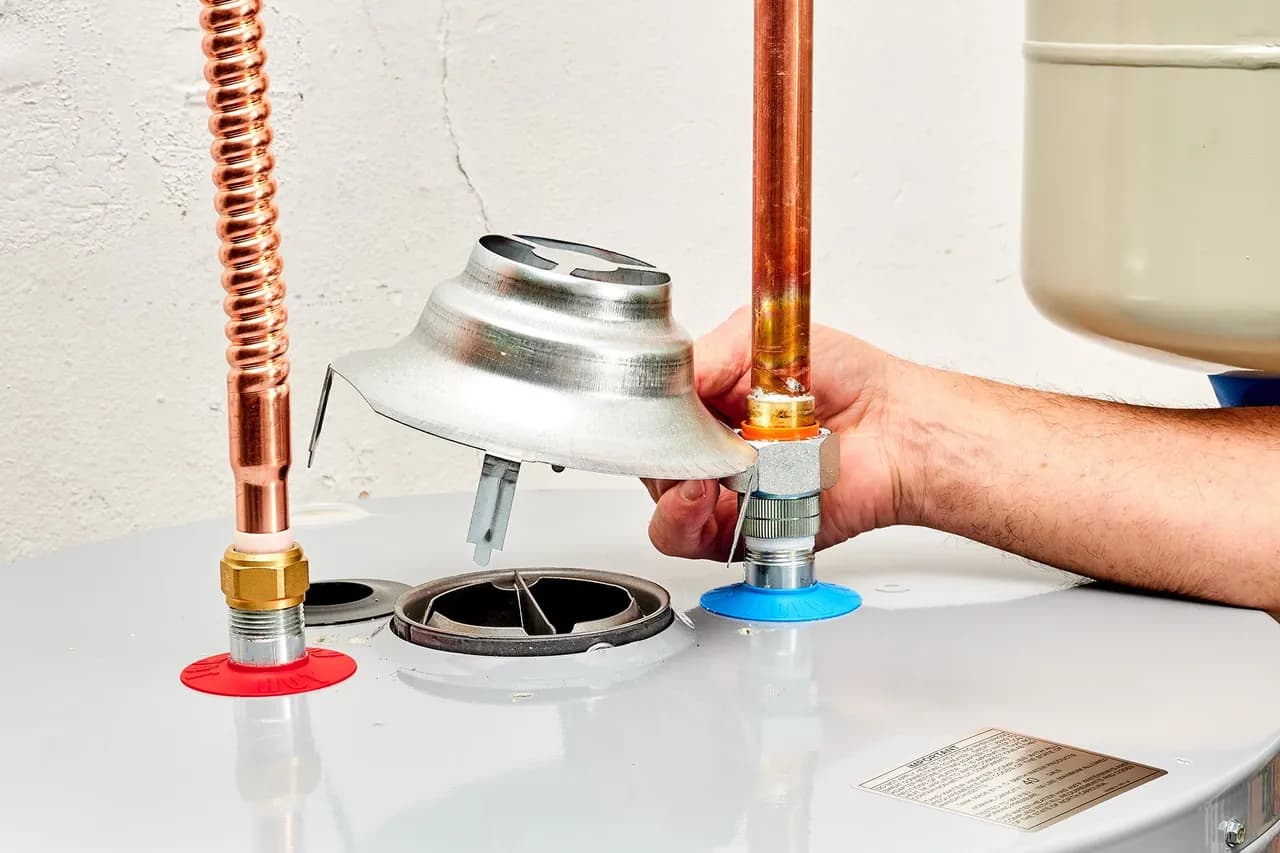
Whole-House Repiping
Replacing a failing supply system in one planned project instead of paying for the same leak four more times.
Learn moreabout Whole-House RepipingWater Pressure
Sometimes it is a twelve-dollar aerator and sometimes it is sixty years of corroded galvanized. We measure before we quote, and we will tell you which one you have.
The first question splits the problem in half: is it one fixture, or the whole house? One weak shower with everything else normal is a fixture problem - an aerator or showerhead packed with scale, a worn cartridge, an angle stop somebody only opened halfway. Weak pressure at every tap is a house problem, and the list of causes is short, specific and worth checking in a particular order. Most plumbers will quote you a fix. We would rather measure first, because the two problems are not remotely the same price.
Central Ohio water is what makes this a recurring local complaint rather than a rare one. Del-Co runs about seven to eight grains per gallon through Powell and Lewis Center, Columbus water serving Dublin, Worthington and Hilliard runs roughly seven to nine and varies with which reservoir is feeding the system, and Westerville softens its own supply to about seven. Twenty-five years of that leaves scale in aerators, showerheads and cartridges. In pre-1970 houses with galvanized steel it does something worse: the corrosion narrows the pipe from the inside until the bore is a fraction of what it was, which is the classic Colonial Hills and older Delaware low-pressure story.
The other half of this page is the problem nobody calls about. Pressure that is too high - anything much above 80 psi - shortens the life of every fixture, appliance and water heater in the house, voids a fair number of manufacturer warranties, and is the reason a supply line lets go at 3am. It costs nothing to measure and most homeowners never have. If we are in your house for something else, ask us to put a gauge on the hose bib.
What we do
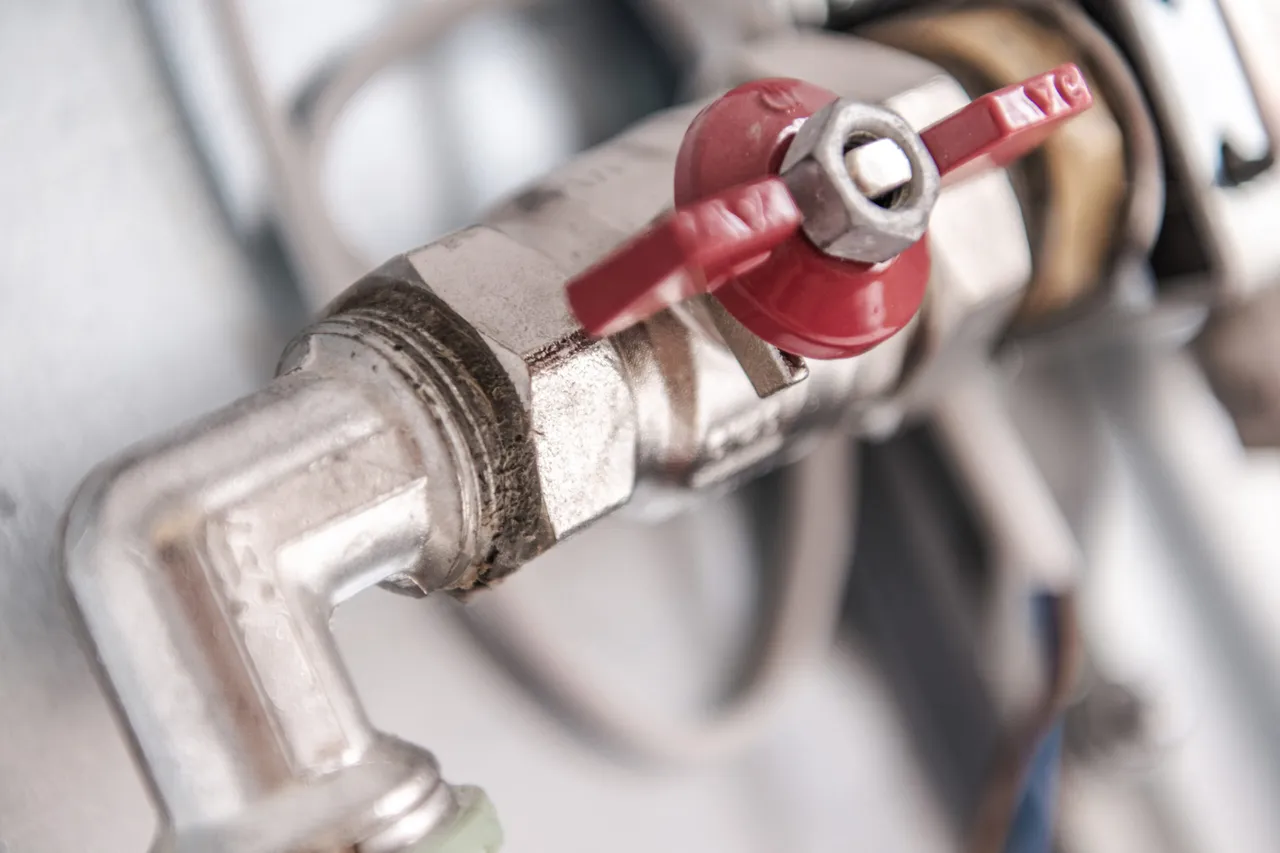
We check in the order that costs you the least: main shutoff or meter valve not fully open, then the pressure-reducing valve, then the supply lines themselves. A PRV has a service life of roughly seven to twelve years and fails in both directions - stuck closed strangles the house, stuck open lets street pressure through. Replacement is a contained job with an immediate, obvious result.
When one tap is weak and the rest of the house is fine, the restriction is in that fixture. Aerators and showerheads fill with white mineral grit in this water, cartridges scale internally, angle stops seize part-open, and supply lines kink behind a cabinet. This is often a fifteen-minute repair, and if that is what your problem is, that is what we will tell you and charge you for.
Above roughly 80 psi you are running your whole plumbing system harder than it was designed for. On a closed system - which is what you have if there is a check valve or PRV at the service entry - thermal expansion from the water heater has nowhere to go, so pressure spikes every heating cycle. The fix is a correctly sized and correctly charged expansion tank plus a regulator, and it protects everything downstream.
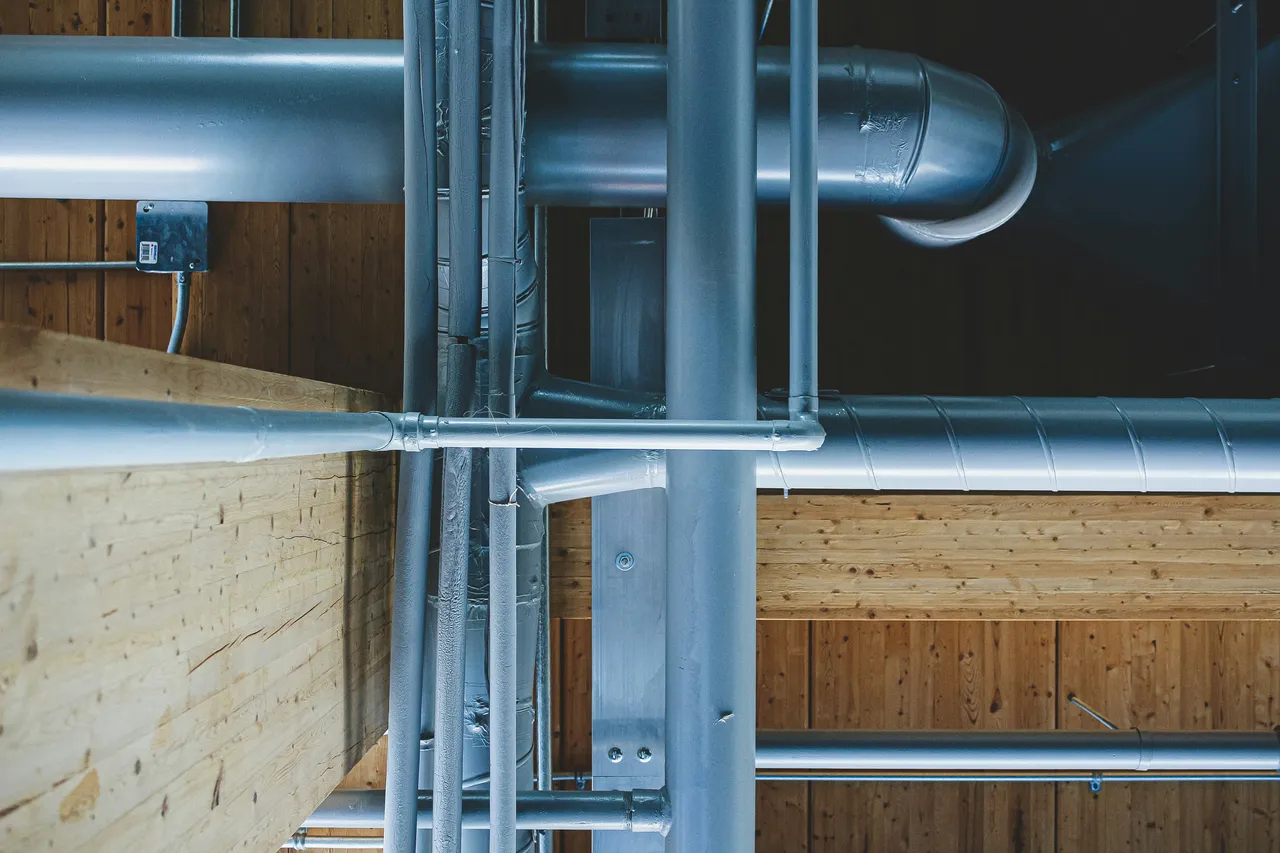
When the valves are open, the regulator is healthy and the pressure is still poor everywhere, the pipe is the problem. Galvanized steel corrodes closed from the inside over decades, and old copper accumulates scale. A hidden leak can also show up as pressure loss, which is why we watch the meter as part of this diagnosis rather than assuming the pipe is at fault.
Common problems
Symptoms homeowners call us about, what tends to be behind them, and how we approach the fix.
Usually caused by
Sudden and house-wide points at a valve or the regulator, not at the pipes - pipes fail slowly. We verify both valves are fully open, put a gauge on the hose bib to read static and flowing pressure, and check the meter for movement with everything off. That sequence usually finds it inside the first twenty minutes.
Usually caused by
Gradual decline is the pipe, and in a pre-1970 house it is usually galvanized. We measure at several points to find where the pressure drops off, and cut a sample section if it is warranted - the inside of a sixty-year-old galvanized pipe is a persuasive piece of evidence. Then branch replacement and a whole-house repipe get priced side by side.
Usually caused by
Water hammer is a shock wave, and it stresses every joint in the house. We measure pressure first, since bringing an over-pressurised system back into range often solves it outright. If not, arrestors go in at the offending appliance and loose runs get properly secured.
Usually caused by
A relief valve that weeps and cartridges that fail every couple of years are usually the same story: the system is running too hot in pressure terms. A regulator and a correctly charged expansion tank fix the cause rather than the symptom, and they are cheap compared with the appliances they protect.
How it works
Four steps, no surprises. The price is agreed before anything is opened.
This one question sorts a fifteen-minute repair from a house-wide diagnosis. Check a couple of taps on different floors before you call and you will have already done the first step with us.
A gauge on an outside hose bib gives static pressure with nothing running and flowing pressure with fixtures open. The difference between those two numbers says more about your plumbing than any amount of describing the shower.
Valves fully open, regulator condition, meter movement with everything off, then the fixtures and finally the pipe. Cheapest and most likely causes first - that order is deliberate and it is in your interest.
If it is an aerator, you pay for an aerator. If it is a regulator, that is a contained job with an obvious result. If it is sixty years of corroded galvanized, you get that answer with the evidence, and both the branch-replacement and repipe numbers.
Reviews
Five-star reviews from Powell and the surrounding suburbs, unedited.
“Keith has done several jobs for us on multiple occasions. He has been available in the evenings as well as on Saturday mornings when it was an emergency. On one occasion, after finishing the job at our house, he willingly walked over to my neighbor's house to help her with her toilet that had broken and was able to fix it right on the spot. He is beyond generous and always informative about the problem at hand. He will tell you what you SHOULD spend our money on and what isn't necessary. I love this about him! I continue to recommend him to everyone I know.”
“I highly recommend Koehler Plumbing, Keith is amazing and more importantly honest and ethical. Had a garbage disposal that went out. I just knew I'd have to replace it, Keith fi...”
“Highly recommend Koehler Plumbing for any plumbing work! I have used them to replace a hot water heater, sink faucet, sump pump with back up and replaced a hot water shut off va...”
“Koehler Plumbing is the best service around. When you call they are very responsive and will set a date for repair asap. And will also have the best price. Call now for all your...”
Questions
Still stuck? Call us at (614) 204-5532, or send us the details.
Related work
Replacing a failing supply system in one planned project instead of paying for the same leak four more times.
Learn moreabout Whole-House Repiping
Finding the leak behind the drywall before it finds the ceiling below - slab leaks, supply pinholes, underground service lines and hidden drain seepage.
Learn moreabout Leak Detection & Repair
Repair, replacement and tankless upgrades for gas and electric units - sized for your household and installed to Delaware County code.
Learn moreabout Water Heater Installation & RepairService area
Powell is home base. These are the communities we cover day to day, in rough order of how often we are there.
Request service
We'll call you back within 15 minutes.
Emergency? Call (614) 204-5532 - a person answers, day or night.
We'll call you back within 15 minutes.
We'll call you back within 15 minutes.